

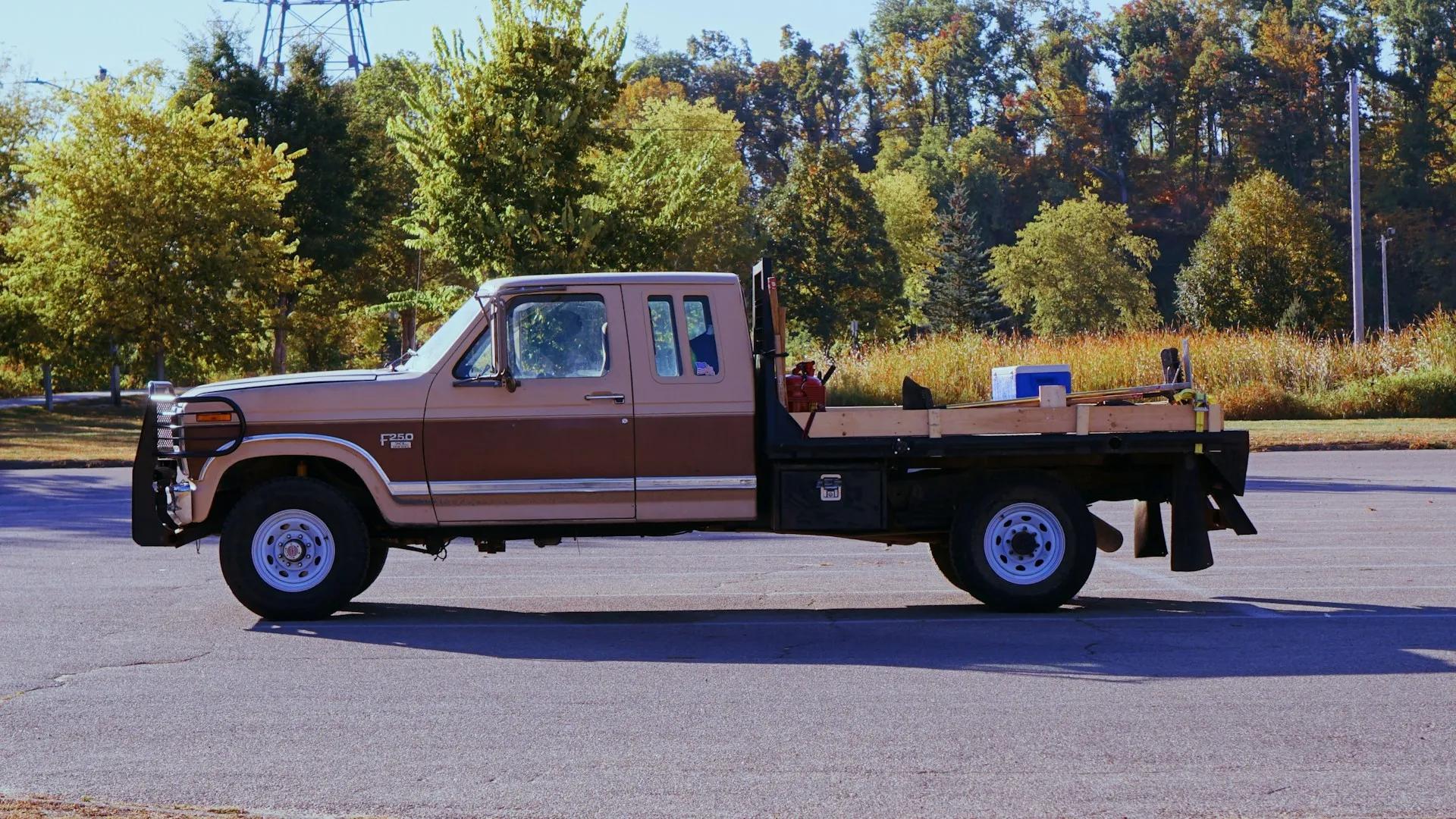
A work truck is one of the hardest-working investments you'll ever make. It hauls heavy loads, endures rough terrain, sits idling on job sites, and takes on the kind of daily punishment that would sideline most vehicles in short order. Treat it right, and a good work truck can push well past 300,000 miles while still showing up ready to work every single day. Neglect it, and you'll be facing costly repairs and premature replacement before you're ready. Here's how to keep your work truck running strong for the long haul.
Stay Religiously on Top of Oil Changes
Nothing extends the life of an engine quite like clean, fresh oil. Motor oil lubricates thousands of moving parts, reduces friction, carries heat away from the engine, and keeps sludge from building up in critical areas. When you're using your truck for heavy work — towing, hauling, or idling for extended periods — the oil breaks down faster than it would under normal driving conditions.
Don't stretch your oil change intervals just to save a little time or money. Follow your manufacturer's recommendations, and if you're regularly pushing your truck hard, consider switching to a full synthetic oil, which holds up better under extreme heat and stress. Keeping a simple log of your oil changes is a great habit that also helps with resale value down the road.
Spray-On Bedliner: The Best Protection for Your Truck
Your truck bed takes more abuse than any other part of your vehicle. Gravel scratches, heavy tools sliding around, moisture pooling in the corners — all of it adds up to rust, dents, and a deteriorating bed that chips away at your truck's value and functionality. A spray-on bedliner is the most effective solution on the market for stopping that damage before it starts.
Unlike plastic drop-in liners that shift around and trap moisture underneath, a spray-on bedliner bonds directly to the metal surface of your bed. The thick, rubberized coating absorbs impact, resists scratches, and creates a waterproof seal that keeps rust from ever gaining a foothold. It also provides excellent grip so your cargo stays put during transport instead of sliding into the tailgate every time you hit the brakes.
Professional-grade spray-on bedliners from trusted brands are built to last the lifetime of your truck. Many owners get protective coatings for truck bedliners for even broader protection against road salt, rocks, and debris.
The upfront cost is minimal compared to the long-term value it preserves. For any truck owner who takes their investment seriously, a spray-on bedliner is simply a no-brainer.
Check and Maintain Your Fluids Regularly
Oil gets most of the attention, but your work truck depends on a whole system of fluids to keep running properly. Coolant prevents your engine from overheating, which is a real concern when you're towing heavy loads in summer heat. Transmission fluid keeps your gearbox shifting smoothly and prevents the kind of heat buildup that leads to expensive transmission failures. Brake fluid, power steering fluid, and differential fluid all play equally important roles in keeping your truck safe and functional.
Get into the habit of doing a quick fluid check every few weeks. Top off anything that's running low, and follow your service schedule for full fluid flushes. Transmission fluid in particular tends to get overlooked, and neglecting it is one of the most common reasons work trucks develop serious drivetrain problems before their time.
Don't Ignore Your Tires
Your tires are the only part of your truck that actually touches the ground, which makes them critically important to both safety and longevity. Underinflated tires wear unevenly, reduce fuel efficiency, and put extra stress on your suspension and wheel bearings. Overinflated tires reduce traction and make your ride harsher than it needs to be.
Check your tire pressure at least once a week, especially if temperatures are fluctuating seasonally. Rotate your tires every 5,000 to 7,000 miles to ensure even wear across all four corners. If your truck pulls to one side or you notice uneven tread wear, get an alignment done right away. Proper alignment not only extends tire life but also reduces stress on your steering components and frame.
Keep It Clean, Inside and Out
This might sound like a cosmetic concern, but keeping your work truck clean is a genuine maintenance strategy. Road salt, mud, and grime that accumulate on the undercarriage will accelerate rust and corrosion on your frame, brake lines, and suspension components. A thorough undercarriage wash every few weeks — especially during winter months in colder climates — can add years to the structural life of your truck.
Don't forget the interior either. Dirt and debris that work their way into seat tracks, floor drains, and door seals can cause premature wear and water damage. A clean truck is also easier to inspect, which means small problems are less likely to hide until they become big ones.
Address Small Problems Before They Become Big Ones
One of the most expensive habits a truck owner can develop is ignoring warning signs. That small exhaust leak, that slight vibration at highway speed, that brake squeal you've been putting off — these are your truck's way of telling you something needs attention. Small issues left unaddressed almost always grow into larger, more expensive repairs.
Make it a habit to do a quick walk-around inspection of your truck at the start of each workday. Look for fluid leaks under the vehicle, check your lights, and listen for anything that sounds off. The few minutes this takes can save you thousands of dollars and days of lost productivity when a preventable breakdown inevitably catches up with you.
Your work truck works as hard as you do. Treat it with the same care and discipline you bring to your job, and it will keep paying you back for hundreds of thousands of miles to come.