

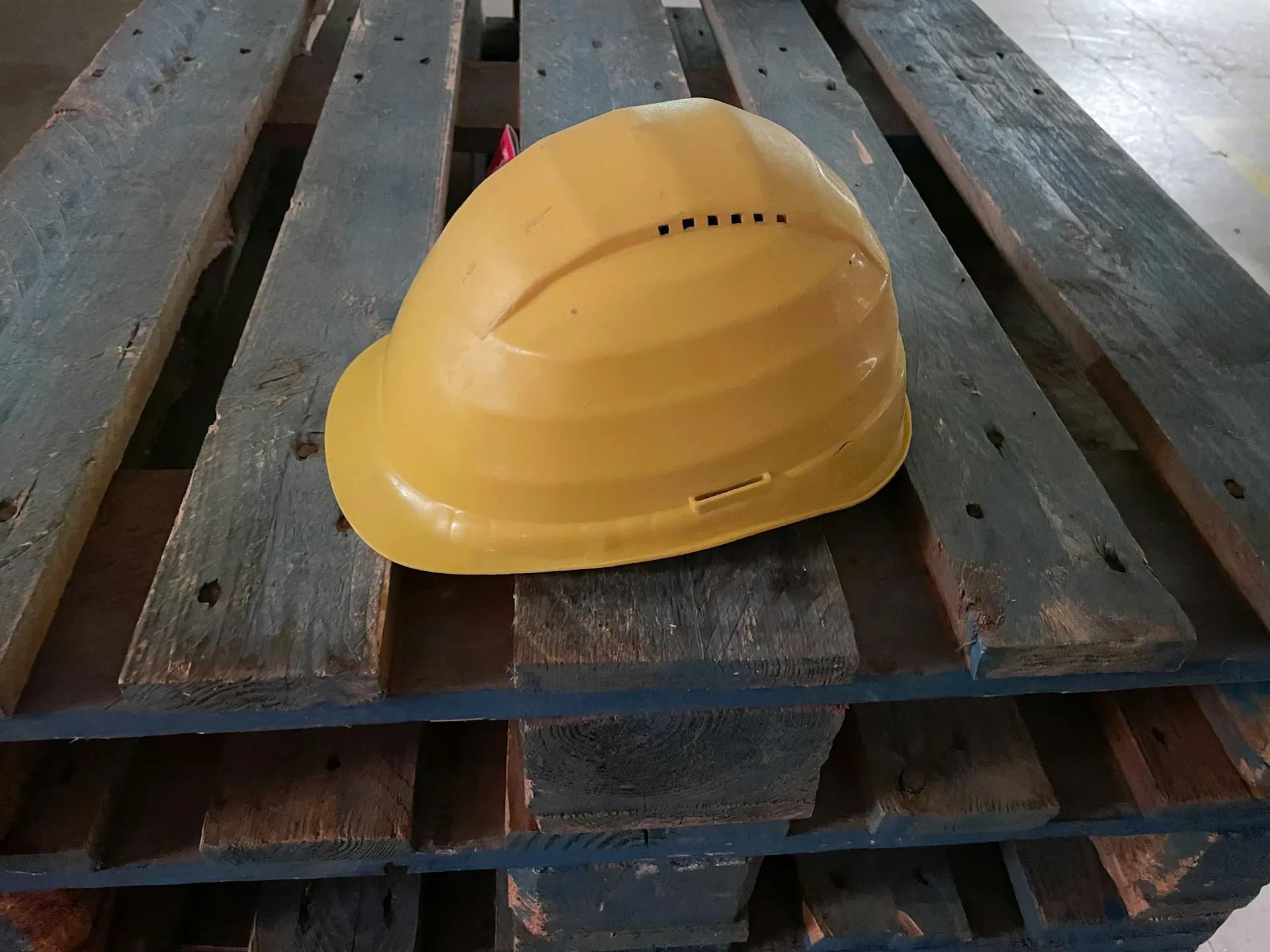
Workplace safety culture isn’t built with posters, policies, or a once-a-year training video. It’s built in the everyday choices people make when no one is watching. It lives in the tone of a supervisor’s voice, the willingness of a coworker to speak up, and the confidence employees feel when reporting hazards. Safety culture is not a compliance checklist—it’s a shared belief that everyone deserves to go home in the same condition they arrived.
When safety becomes part of an organization’s identity, incidents decrease, morale improves, and productivity rises naturally. But when it’s treated as an afterthought, risks quietly multiply. A strong workplace safety culture doesn’t just prevent accidents; it shapes trust, accountability, and long-term success.
Here’s why it truly matters.
Safety Culture Shapes Everyday Decisions
Policies sit in manuals. Culture lives in behavior.
In a strong safety culture, employees don’t cut corners—even when deadlines loom. They don’t ignore small spills, broken equipment, or missing guardrails because “someone else will handle it.” Instead, safety becomes instinctive. It guides split-second decisions, like whether to rush through a task or pause to secure proper equipment.
Workplaces without a safety-first mindset often rely on reactive measures. Something breaks, someone gets hurt, and only then do procedures change. By contrast, a healthy safety culture is proactive. It encourages constant awareness, open communication, and shared responsibility.
It Reduces Legal and Financial Consequences
Ignoring workplace safety doesn’t just risk injuries—it risks the future of the organization. Accidents can lead to costly downtime, insurance increases, regulatory penalties, and damaged reputation. Beyond direct financial loss, there are indirect costs: lost productivity, staff turnover, and diminished morale.
A single serious incident can ripple outward for years. Investigations, compensation claims, and potential lawsuits can strain resources and leadership attention. In severe cases, companies may find themselves facing scrutiny from regulators or even litigation involving professionals such as the injury attorneys at Siegal Richardson.
However, companies with a strong safety culture often experience fewer claims and lower long-term costs. Preventative investment—like training, equipment upgrades, and open reporting systems—pales in comparison to the financial fallout of negligence.
Employees Feel Valued and Protected
When employees believe their well-being matters, everything changes.
A strong safety culture communicates a simple but powerful message: you are not disposable. Workers who feel physically protected are more likely to feel emotionally secure as well. That sense of security fosters loyalty, engagement, and higher job satisfaction.
Conversely, in workplaces where safety is overlooked, employees may feel like replaceable parts in a machine. If broken equipment is ignored or concerns are dismissed, trust erodes quickly. Fear replaces confidence. People become less likely to report hazards, creating a dangerous cycle of silence.
A culture of safety strengthens relationships between management and staff. Leaders who prioritize protective measures demonstrate respect. That respect often translates into improved teamwork, reduced turnover, and stronger morale.
Productivity Improves When Safety Leads
Some organizations mistakenly believe safety slows work down. In reality, the opposite is true.
Injury-related absences, equipment damage, and unexpected shutdowns disrupt workflow far more than preventative measures ever could. A strong safety culture reduces these interruptions. When systems are organized, hazards addressed promptly, and employees properly trained, operations run more smoothly.
Safe workplaces are efficient workplaces. Clear processes reduce confusion. Proper tools reduce strain and error. Employees who are confident in their environment can focus fully on performance rather than self-protection.
Additionally, safety reduces burnout. When workers are constantly navigating risky conditions, stress levels rise. Chronic stress affects concentration, decision-making, and energy levels—all of which influence productivity.
Leadership Sets the Tone
If leaders ignore safety rules, employees will too. If managers rush projects at the expense of proper precautions, shortcuts become normalized. Safety culture thrives only when leadership models the behavior they expect from others.
This means more than signing off on policies. It means wearing required protective equipment, attending safety meetings, responding promptly to reported concerns, and investing in preventative resources. Visible commitment sends a powerful message: safety is non-negotiable.
Effective leaders also create open channels for feedback. When employees feel heard, they are more likely to report risks before they escalate. Transparent communication builds trust and shared accountability.
Leadership influence extends beyond procedures—it shapes attitudes. When executives and supervisors treat safety as integral to success, it becomes embedded in organizational DNA.
Open Communication Prevents Silent Risks
One of the most dangerous workplace environments is one where people stay silent.
Employees may hesitate to report hazards if they fear blame, ridicule, or retaliation. Yet many serious incidents are preceded by smaller warning signs—minor equipment issues, near-misses, or overlooked safety gaps.
A healthy safety culture encourages reporting without punishment. Near-miss discussions become learning opportunities rather than fault-finding missions. Teams analyze what went wrong and adjust systems accordingly.
When communication flows freely, problems surface early—before they cause harm. Employees feel comfortable asking questions, requesting clarification, and challenging unsafe instructions.
Long-Term Reputation and Sustainability
Workplace safety culture extends beyond internal operations—it shapes public perception.
Clients, partners, and potential hires increasingly evaluate organizations based on ethical standards and employee treatment. A strong safety record signals responsibility and reliability. It builds confidence among stakeholders and strengthens brand reputation.
On the other hand, repeated safety violations or high-profile incidents can damage credibility overnight. News spreads quickly, and rebuilding trust takes time.