

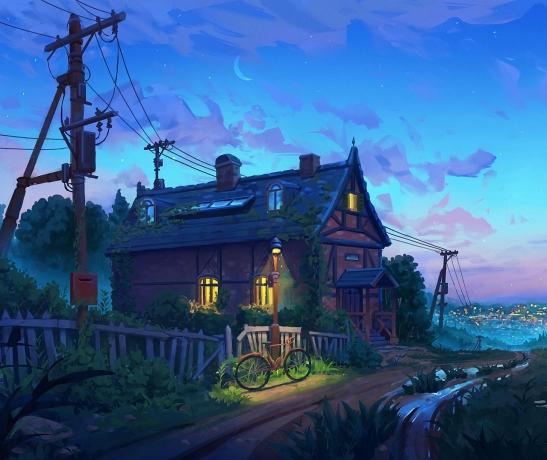
Building a dream home is one of life's most exciting journeys. It's a chance to create a space that perfectly reflects your lifestyle, values, and vision for the future. However, turning that dream into reality requires careful planning and consideration of multiple factors that will affect both the construction process and your long-term satisfaction with the home.
Start with Your Budget Reality
Before you fall in love with architectural designs and Pinterest boards, establish a realistic budget. This isn't just about the construction costs. You need to account for land acquisition, permits, professional fees, material costs, and a contingency fund of at least 10-15% for unexpected expenses. Many homeowners underestimate finishing costs like landscaping, driveways, and window treatments, which can add tens of thousands to the final price tag.
When planning your budget, research material costs in your area early. For instance, if you're building in the Northeast, getting quotes for quality lumber New York suppliers will help you understand one of your major expense categories. Material prices fluctuate, so timing your purchases strategically can result in significant savings.
Choose Your Location Wisely
The old real estate adage about location holds especially true when building from scratch. Consider proximity to work, schools, healthcare facilities, and amenities that matter to your family. Think about the neighborhood's trajectory. Is it developing or established? What are the zoning laws, and could future development impact your property value or quality of life?
Also evaluate the land itself. Does it have good drainage? What's the soil composition? Is it on a slope that will require extensive grading? These factors dramatically affect construction costs and timelines. A soil test and land survey aren't just formalities—they're essential investments that prevent costly surprises.
Design for Your Lifestyle, Not Trends
It's tempting to incorporate every trending design feature you see online, but your home should serve your actual needs. Think about how you live daily. Do you entertain frequently? Do you work from home? Are you planning to grow your family? Will elderly parents eventually move in?
Open floor plans work beautifully for some families but create noise and privacy issues for others. A home office might seem like a luxury now but could become essential. Design choices should accommodate your five-year and ten-year life plans, not just your current situation or what's popular on social media.
Energy Efficiency Pays Long-Term Dividends
While energy-efficient features often increase upfront costs, they're investments that pay back through lower utility bills and increased comfort. Proper insulation, high-quality windows, efficient HVAC systems, and smart home technology aren't luxuries—they're necessities for modern home construction.
Consider renewable energy options like solar panels, especially with current incentives and rebates. The orientation of your home on the lot affects heating and cooling costs significantly. Working with an architect who understands passive solar design can reduce your energy needs without expensive technology.
Don't Skimp on Quality Materials
When budget pressures mount during construction, it's tempting to cut costs by choosing cheaper materials. This often backfires. Quality materials last longer, require less maintenance, and typically look better throughout their lifespan. The money you save using inferior products often gets spent multiple times over in repairs and replacements.
This applies especially to structural elements and items that are difficult to replace later. Good lumber, quality roofing materials, and durable siding protect your investment for decades. Conversely, you can often save money on items easily updated later, like light fixtures, cabinet hardware, or paint colors.
Build the Right Team
Your contractor, architect, and other professionals will make or break your building experience. Don't choose based solely on price. Check references thoroughly, review previous projects, and ensure they have proper licensing and insurance. Good communication is as important as technical skill. You want professionals who listen to your concerns and keep you informed throughout the process.
Establish clear contracts that outline timelines, payment schedules, and what happens if problems arise. A good contractor will be transparent about potential challenges and willing to explain decisions in terms you understand.
Plan for Future Maintenance
A well-designed home considers not just construction but ongoing maintenance. Choose landscaping that suits your climate and maintenance preferences. Design roof lines that minimize debris accumulation. Select materials that age gracefully with minimal upkeep.
Think about accessibility too. Even if you're young and able-bodied now, features like wider doorways, a first-floor bedroom, and a bathroom that could accommodate future modifications make your home more adaptable to life changes.
Conclusion
Building your dream home requires balancing vision with practicality, desires with budget, and current needs with future flexibility. Take time in the planning phase—it's much easier to change plans on paper than to modify construction in progress. With thoughtful consideration of these key factors, you'll create not just a beautiful house but a home that serves your needs for years to come.