

Most people don't worry about plumbing until something goes obviously wrong. A burst pipe. A flooded bathroom. A completely blocked drain. But the truth is, the smaller problems are often the sneakier ones. They hide behind walls. They drip slowly under sinks. They build up over time. And while you go about your day, they quietly change the air you breathe, the walls around you, and the comfort of your home.
So let's talk about those small plumbing problems. The ones that don't shout for your attention. The ones that whisper.
That Dripping Faucet Is More Than Just Annoying
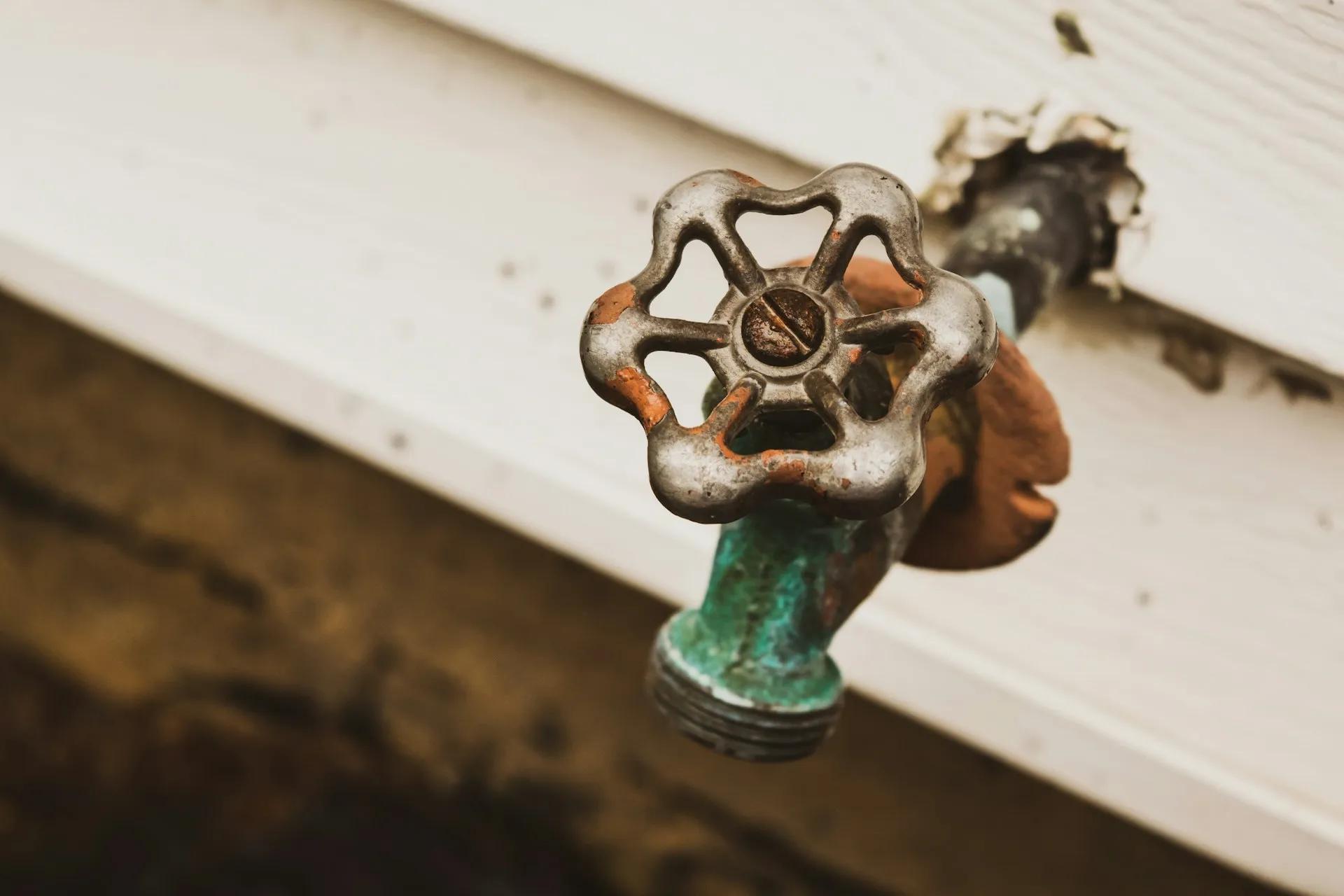
A dripping faucet seems harmless. It's just a drop or two of water, right? However, a faucet that drips once per second wastes more than 3,000 gallons of water a year. That is a real number. Beyond the water bill, that constant moisture around your sink area can cause the cabinet underneath to swell. Over time, it can warp the wood and create a damp pocket that encourages mold to grow.
Mold in a cabinet may not seem like a big deal. But mold releases spores into the air. Those spores circulate through your home every time you walk by, open a window, or turn on a fan. So that one dripping faucet can slowly affect your indoor air quality without you ever connecting the dots.
Fix it early. A worn washer is usually the culprit, and replacing it costs almost nothing. If you are not sure what's causing it, a licensed professional can diagnose it quickly. The team at LP-Plumbing.com offers exactly that kind of straightforward, no-fuss help — the kind that saves you from dealing with a bigger problem six months down the road.
Slow Drains Are a Warning Sign, Not Just an Inconvenience
When water drains slowly from your sink or bathtub, it usually means something is building up in the pipe. Hair, soap scum, grease, mineral deposits. These things accumulate layer by layer. As they do, they create a moist, warm environment inside your pipes. That is a perfect breeding ground for bacteria and mildew.
Additionally, slow drains can cause water to sit in the basin longer than it should. That standing water adds humidity to the air in your bathroom. Over time, excess humidity leads to peeling paint, warped vanity doors, and eventually mold on the ceiling or grout lines.
The fix is often simple. A drain snake or a mixture of baking soda and white vinegar can clear minor build-up. Pour baking soda down the drain first, then follow with vinegar. Let it fizz for about 15 minutes, then flush with hot water. Repeat once a month as a preventive step.
Hidden Leaks behind Walls Are the Sneakiest Problem of All
Not every leak is visible. Some happen behind drywall, under flooring, or beneath a sink cabinet. These hidden leaks are especially harmful because they go unnoticed for weeks or even months. Meanwhile, moisture soaks into building materials. Wood starts to rot. Drywall softens. And mold takes root deep inside the wall cavity.
By the time you smell something musty or notice a stain on the wall, the damage is already well underway. In fact, the connection between efficient home plumbing and positive everyday living is something many homeowners only appreciate after they have had to deal with a problem that was ignored for too long.
So how do you catch a hidden leak? Watch your water bill. If it goes up without explanation, that is a red flag. Also, press your hand gently against the wall under sinks or near toilets. If the wall feels soft or cool in a specific spot, there may be moisture behind it. You can also look for paint that is bubbling or blistering. These are signs that water is working its way through.
Running Toilets Waste More Than You Think
A running toilet sounds like a minor quirk. However, it can waste anywhere from 200 to 700 gallons of water per day, depending on the severity. That is not just a cost issue. It is also a humidity issue. Toilets that constantly run or refill keep the air in your bathroom slightly more humid than it should be.
In a poorly ventilated bathroom, that added moisture can cause tiles to stay damp, grout to develop mildew, and the ceiling to collect condensation. Over time, this affects the structure of your bathroom. Furthermore, it makes your bathroom harder to keep clean and fresh-smelling.
The most common cause is a worn flapper valve inside the tank. You can test this by adding a few drops of food coloring to the tank. Wait 15 minutes without flushing. If the color shows up in the bowl, the flapper is leaking and needs to be replaced. Most hardware stores carry replacement flappers for just a couple of dollars.
Low Water Pressure Might Be Telling You Something
Low water pressure in one faucet is usually not a big deal. However, when it affects your whole house, it is worth paying attention to. It can signal a partially closed main valve, a clogged aerator, or even a slow leak somewhere in your supply line.
Clogged aerators are the easiest to handle. Unscrew the aerator at the tip of your faucet, rinse out the mineral build-up, and screw it back on. Many people notice an immediate improvement. However, if the problem persists throughout the house, it is worth getting a professional to check your main supply line.
Ignoring widespread low pressure can lead to appliances like dishwashers and washing machines working harder than they should. That adds wear and tear and shortens their lifespan. Home improvement resources have detailed guides on diagnosing these kinds of common plumbing mistakes and pressure issues that homeowners often overlook until they become expensive.
What You Can Do Starting Today
You do not need to be a plumber to take care of your home. You just need to pay attention. Here are a few easy habits that go a long way:
Check under your sinks once a month. Look for any dampness, soft spots, or discoloration. Fix dripping faucets as soon as you notice them. Keep bathroom fans running for at least 10 minutes after a shower. This reduces moisture in the air and discourages mold. Pour hot water down your drains weekly to help clear grease and soap build-up. And if you notice your water bill rising without reason, call a plumber sooner rather than later.
Small plumbing problems are easy to ignore. But as we have seen, they are also easy to address when caught early. Your home's health depends on the systems running quietly inside it. Give them a little attention, and they will serve you well for years to come.