

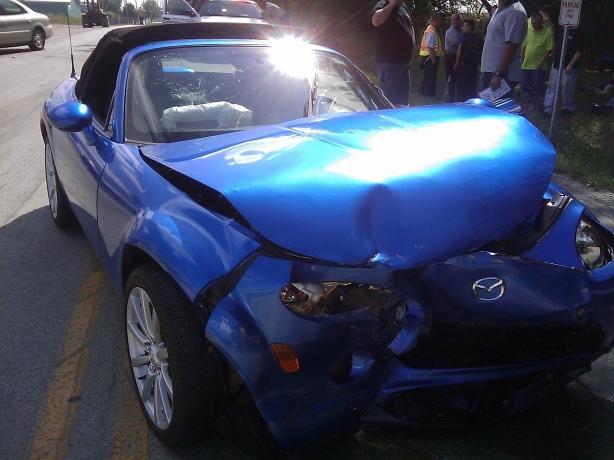
The moments after a car accident feel like chaos. Your heart races, your hands shake, and you're trying to process what just happened. In these critical minutes, most people focus on the immediate damage to their vehicle or checking for injuries. What many don't realize is that the actions you take in the next hour can impact your life for months or even years to come.
The First Fifteen Minutes Set Everything in Motion
When metal meets metal and airbags deploy, your body floods with adrenaline. This natural response can mask serious injuries and cloud your judgment. Many accident victims feel fine initially, only to discover whiplash, concussions, or internal injuries days later. This is why refusing medical attention at the scene often becomes a costly mistake.
Insurance adjusters take note of everything. If you declined an ambulance or told the responding officer you felt okay, they'll use these statements to minimize your claim later. Even if you think you're uninjured, getting checked by paramedics creates documentation that protects your interests.
The same principle applies to calling the police. Some people skip this step for minor accidents, especially when the other driver seems cooperative and apologetic. But memories fade and stories change. What seemed like a friendly exchange can turn into a denial of fault once insurance companies get involved. A police report provides an official record that can't be disputed later.
Your Words Become Evidence
In the confusion following an accident, casual conversation feels natural. You might apologize reflexively or speculate about what happened. These innocent remarks can haunt you. Saying "I'm sorry" or "I didn't see you" can be interpreted as admitting fault, even if the accident wasn't your responsibility.
This gets more complicated when language barriers exist. If English isn't your first language, stress makes communication even harder. You might misunderstand questions or struggle to explain what happened accurately. This is where having access to someone who speaks your language becomes invaluable. For instance, Peter Michael, an Arabic-speaking lawyer, understands how cultural and linguistic differences can affect accident victims from the Arab community. Having legal representation that can communicate clearly in your native language ensures nothing gets lost in translation when your rights are on the line.
The Insurance Company Isn't Your Friend
After an accident, you'll receive a call from the insurance company sooner than you'd expect. The adjuster will sound sympathetic and helpful. They'll ask for a recorded statement and might even offer a quick settlement. This feels like progress, but it's actually a trap.
Insurance companies profit by paying out as little as possible. That early settlement offer is almost always far below what your claim is actually worth. Once you accept it, you can't come back for more money when medical bills pile up or your injuries prove more serious than initially thought.
Recorded statements present another hazard. Adjusters are trained to ask questions that minimize your claim. They'll inquire about pre-existing conditions, get you to admit you felt fine at the scene, or catch you contradicting details you've forgotten. These statements become ammunition against you.
Documentation Builds Your Case
Every receipt, photo, and medical record matters. Take pictures of all vehicles involved, the accident scene, road conditions, and any visible injuries. Get contact information from witnesses. Keep a file of every medical appointment, prescription, and treatment related to the accident.
This documentation serves two purposes. First, it preserves evidence before it disappears. Skid marks fade, vehicles get repaired, and witnesses become harder to locate. Second, it establishes the full scope of your damages. Without thorough records, insurance companies will question every expense and deny claims for legitimate costs.
Your own testimony matters too. Write down everything you remember about the accident while it's fresh. Include details about weather, traffic, what you saw and heard, and how you felt afterward. Memory degrades quickly, and these contemporaneous notes carry weight.
Time Works Against You
Every state has statutes of limitations that set deadlines for filing claims. Miss these deadlines and you lose your right to compensation permanently, regardless of how strong your case might be. Even before these legal deadlines, delay works against you.
The longer you wait to seek medical treatment, the easier it becomes for insurance companies to argue your injuries weren't caused by the accident. Gaps in treatment suggest your injuries aren't serious. Failing to follow your doctor's recommendations gives adjusters reason to question your credibility.
The Bottom Line
Accidents happen in seconds but create consequences that last. The difference between a fair settlement and financial hardship often comes down to what you did in those critical first hours. Stay calm, document everything, seek medical attention, avoid recorded statements, and get legal advice before accepting any offers.
Your future self will thank you for the steps you take today. What seems like paranoia or extra work now becomes the foundation of protecting your health, your finances, and your rights when you need it most.