

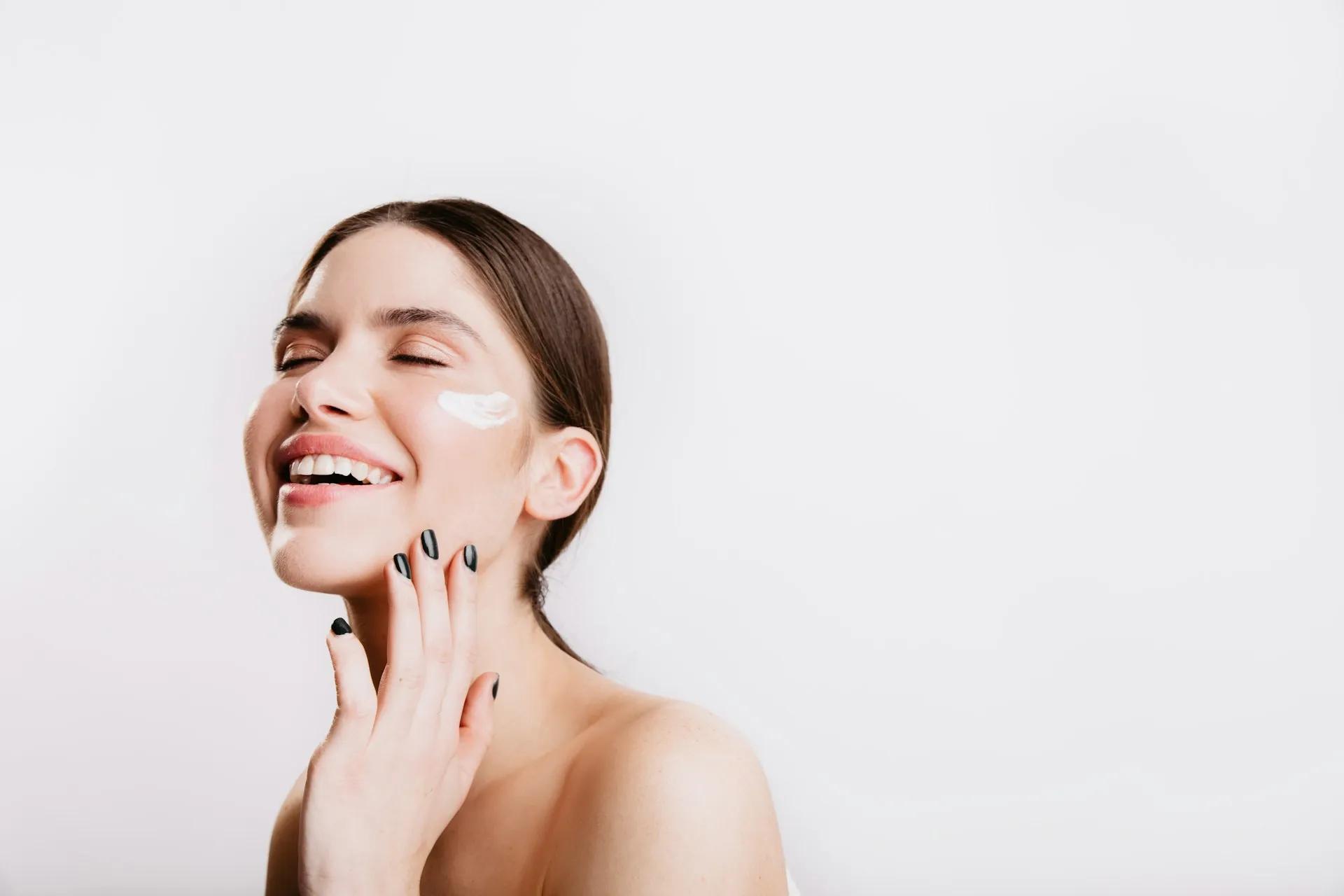
Aging is a fact of life, but premature skin aging doesn't have to be. The lines, spots, and sagging that many people assume are simply "getting older" are often the result of controllable habits and environmental factors. The good news is that no matter your age or where you're starting from, meaningful changes can slow the process and even reverse some of the damage already done. Here's how.
Sunscreen Is Your Best Anti-Aging Investment
Ask any dermatologist what the number one anti-aging product is, and the answer will almost always be sunscreen. Sun exposure is responsible for the vast majority of visible skin aging — wrinkles, dark spots, rough texture, and loss of firmness. This type of damage, known as photoaging, accumulates quietly over decades, often without you realizing it until the effects become impossible to ignore. A broad-spectrum sunscreen with at least SPF 30, applied every single morning regardless of the weather or season, is your most powerful line of defense. UV rays are persistent — they pass through clouds, penetrate car windows, and reflect off pavement and water. Make sunscreen the last step of your morning routine and the non-negotiable one.
The Right Skincare Routine Makes a Real Difference
You don't need an elaborate shelf full of products to protect your skin from aging. What you need is a small number of proven ingredients used consistently over time. Retinoids are the gold standard — decades of clinical research confirm their ability to boost collagen production, speed up cell turnover, and visibly reduce fine lines and uneven pigmentation. Start slowly with a low-strength retinol a few evenings per week, then build from there as your skin adjusts. Layer in a vitamin C serum each morning to defend against free radical damage and brighten your complexion. A good moisturizer seals everything in and keeps your skin barrier healthy. Simple, consistent, effective.
Understanding and Fighting Crepey Skin
One of the more frustrating signs of aging skin is the appearance of crepey texture — thin, loosely wrinkled skin that looks and feels like delicate crepe paper. It most commonly appears on the neck, chest, upper arms, and inner thighs, areas that tend to be overlooked in everyday skincare.
Crepey skin develops when the body's production of collagen and elastin slows down significantly, robbing the skin of its structure and bounce. Sun damage, hormonal shifts, and chronic dehydration all make it worse. Fighting back starts with aggressive moisture — look for ingredients like hyaluronic acid, glycerin, and shea butter in your body lotion. Exfoliating ingredients such as lactic acid and urea help smooth the surface and improve absorption. Retinol-infused body creams have also shown genuine promise in firming and thickening crepey skin over time. The earlier you start addressing it, the better your results will be.
Feed Your Skin With the Right Foods
Your skin is a reflection of what you put into your body, and a diet full of sugar and processed foods ages you faster from the inside out. Excess sugar triggers glycation, a process that damages collagen and elastin fibers, making skin stiff, dull, and more prone to wrinkling. Swap processed foods for an anti-inflammatory diet built around fatty fish, leafy greens, vivid berries, avocado, and nuts. Omega-3 fatty acids are especially valuable — they reinforce the skin's natural moisture barrier and reduce inflammation. Antioxidants from brightly colored produce neutralize the free radicals that break down healthy skin cells. And drink your water. Proper hydration keeps skin plump, resilient, and clear.
Sleep, Stress, and the Hormones That Age You
Cortisol, the body's primary stress hormone, is quietly one of the most damaging forces your skin faces. Chronically elevated cortisol breaks down collagen, impairs the skin barrier, and drives inflammation that ages skin from the inside. Managing stress — through exercise, meditation, time outdoors, or whatever works for you — pays visible dividends over time. Sleep is equally important. During deep, restorative sleep, the body produces growth hormone that repairs damaged cells and regenerates skin tissue. Seven to nine hours a night isn't a luxury; it's maintenance.
Cut Out Habits That Fast-Track Aging
Smoking may be the single worst thing you can do for your skin. It slashes oxygen delivery to skin cells, destroys collagen rapidly, and leaves the complexion looking dull and deeply lined far ahead of its time. Alcohol isn't far behind — it dehydrates skin, disrupts sleep, and fuels the kind of inflammation that shows up on your face. Reducing or eliminating both can produce noticeable improvements in skin quality faster than almost any product on the market.
The Real Secret
There is no miracle cream or overnight fix. The real path to younger-looking skin is a collection of consistent, unglamorous daily choices — protecting yourself from the sun, sleeping well, eating wisely, and being faithful to a simple routine. Start today, and your skin a decade from now will show it.