

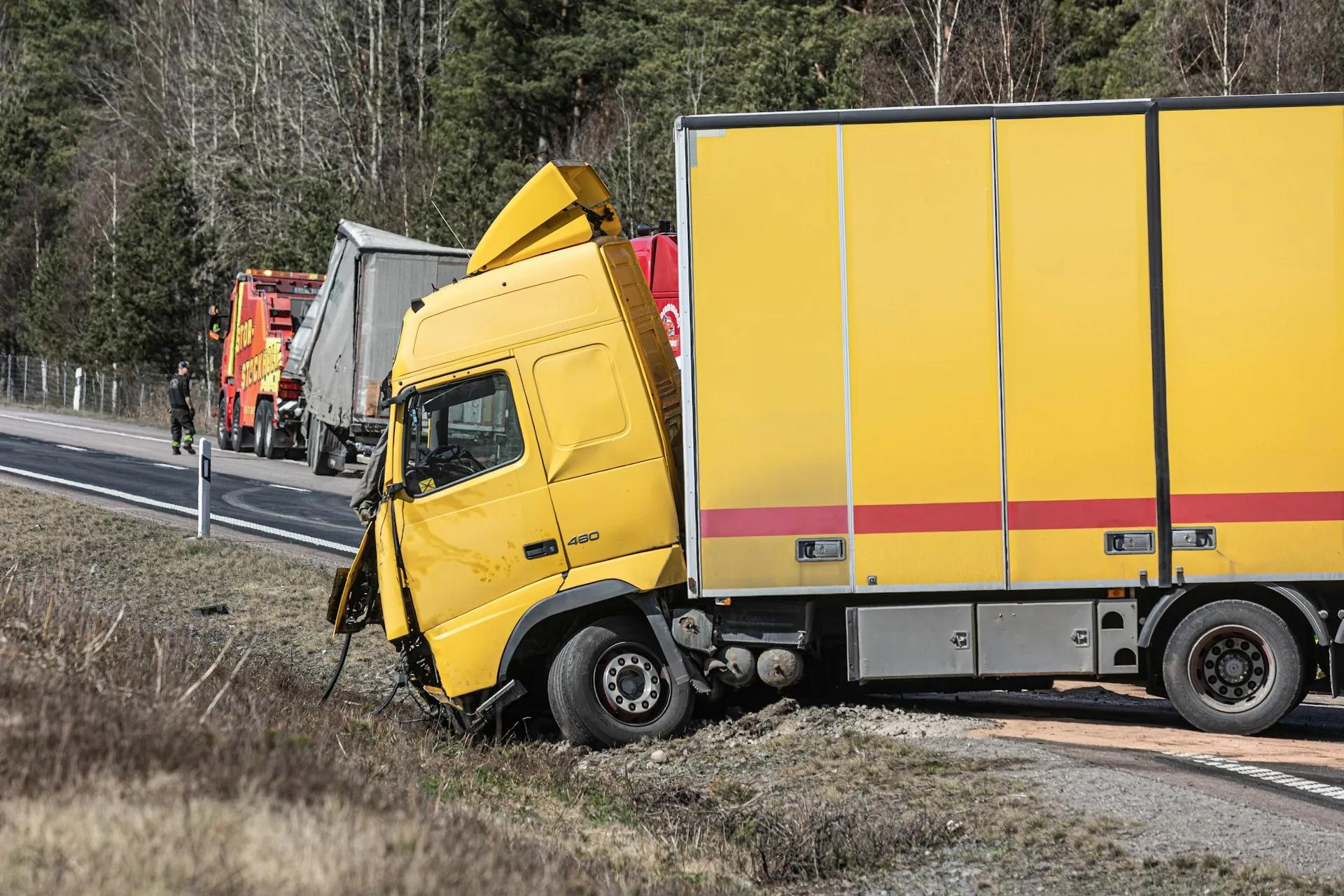
When a commercial truck collides with a passenger vehicle, the aftermath can be overwhelming. Victims often face mounting medical bills, lost wages, and the daunting task of navigating complex insurance claims. Unlike standard car accidents, truck accident cases involve multiple parties, federal regulations, and substantial insurance policies that can drag settlements out for months or even years. Understanding how to expedite this process while maximizing compensation requires strategic planning and knowledge of the legal landscape.
Understanding the Complexity of Truck Accident Claims
Truck accident settlements differ significantly from typical motor vehicle claims due to the sheer number of potentially liable parties. A single crash might involve the truck driver, trucking company, vehicle manufacturer, cargo loader, and maintenance provider. Each entity typically carries separate insurance policies, and determining fault often requires extensive investigation into driver logs, maintenance records, and compliance with Federal Motor Carrier Safety Administration regulations.
The average commercial truck weighs up to 80,000 pounds when fully loaded, compared to a passenger vehicle's 4,000 pounds. This massive weight disparity explains why truck accidents result in catastrophic injuries in approximately 74 percent of cases, according to data from the National Highway Traffic Safety Administration. These severe injuries translate to higher settlement values, which insurance companies scrutinize more carefully and contest more aggressively.
Immediate Steps That Impact Settlement Speed
The actions taken immediately following a truck accident can significantly affect both the timeline and outcome of a settlement. Seeking medical attention creates a documented record of injuries that insurance adjusters cannot dispute. Even if injuries seem minor initially, some symptoms like internal bleeding or traumatic brain injuries may not manifest for hours or days.
Preserving evidence is equally critical. Trucking companies must maintain electronic logging devices, maintenance records, and driver qualification files, but these documents can be destroyed or altered if not secured quickly through legal preservation letters. Photographs of the accident scene, vehicle damage, road conditions, and any visible injuries provide invaluable documentation that becomes less accessible as time passes.
Witness statements gathered soon after the accident carry more weight than those collected weeks later when memories fade. Obtaining contact information from witnesses and recording their accounts while details remain fresh strengthens the foundation of a claim and can prevent disputes that delay settlement negotiations.
The Role of Legal Representation in Accelerating Settlements
Hiring experienced legal counsel early in the process typically accelerates settlement timelines rather than prolonging them. Attorneys familiar with truck accident litigation understand which evidence matters most and can immediately begin building a comprehensive case. They coordinate with accident reconstruction experts, medical professionals, and economists who calculate long-term costs of injuries, ensuring that settlement demands reflect true damages.
Insurance companies often make lowball initial offers to unrepresented victims, hoping to close cases quickly and cheaply. However, cases with strong legal representation tend to settle faster at higher amounts because attorneys present thoroughly documented claims that leave little room for dispute. The average truck accident settlement ranges from $100,000 to over $1 million depending on injury severity, but victims without legal counsel typically recover 40 percent less than those with representation.
Legal teams also manage communication with multiple insurance carriers, preventing the victim from making statements that could be used to reduce liability. A single misworded comment to an adjuster can provide grounds for denying or diminishing a claim, adding months to the settlement process.
Leveraging Federal Regulations and Industry Standards
Truck drivers and companies must comply with hours-of-service regulations limiting driving time to prevent fatigue-related accidents. When violations occur, they provide clear evidence of negligence that strengthens settlement negotiations. Experienced legal professionals know how to obtain and analyze electronic logging device data, identifying discrepancies that prove regulatory violations.
“Maintenance records can reveal whether trucking companies cut corners on safety inspections or continued operating vehicles with known defects. These findings often lead to faster settlements.”, according to a truck accident lawyer at Mark Hurt Law Firm.
Avoiding Common Delays in the Settlement Process
Several factors commonly extend settlement timelines unnecessarily. Accepting the first settlement offer without proper evaluation almost always results in inadequate compensation that fails to cover future medical needs. Rushing to settle before reaching maximum medical improvement prevents accurate assessment of long-term damages and may leave victims responsible for ongoing treatment costs.
Incomplete documentation forces insurance companies to request additional information repeatedly, creating delays that extend negotiations. Providing comprehensive medical records, employment documentation showing lost income, and expert testimony about future impacts streamlines the evaluation process and demonstrates the seriousness of the claim.
Final Word
Securing a faster truck accident settlement requires immediate action, thorough documentation, and strategic legal representation. While every case presents unique circumstances, victims who understand the complexity of truck accident claims and take proactive steps to build strong cases typically achieve favorable outcomes more quickly. The difference between a settlement that drags on for years and one that resolves in months often comes down to preparation, evidence quality, and having advocates who understand how to navigate the intricate web of regulations, insurance policies, and legal requirements that govern commercial trucking accidents.