

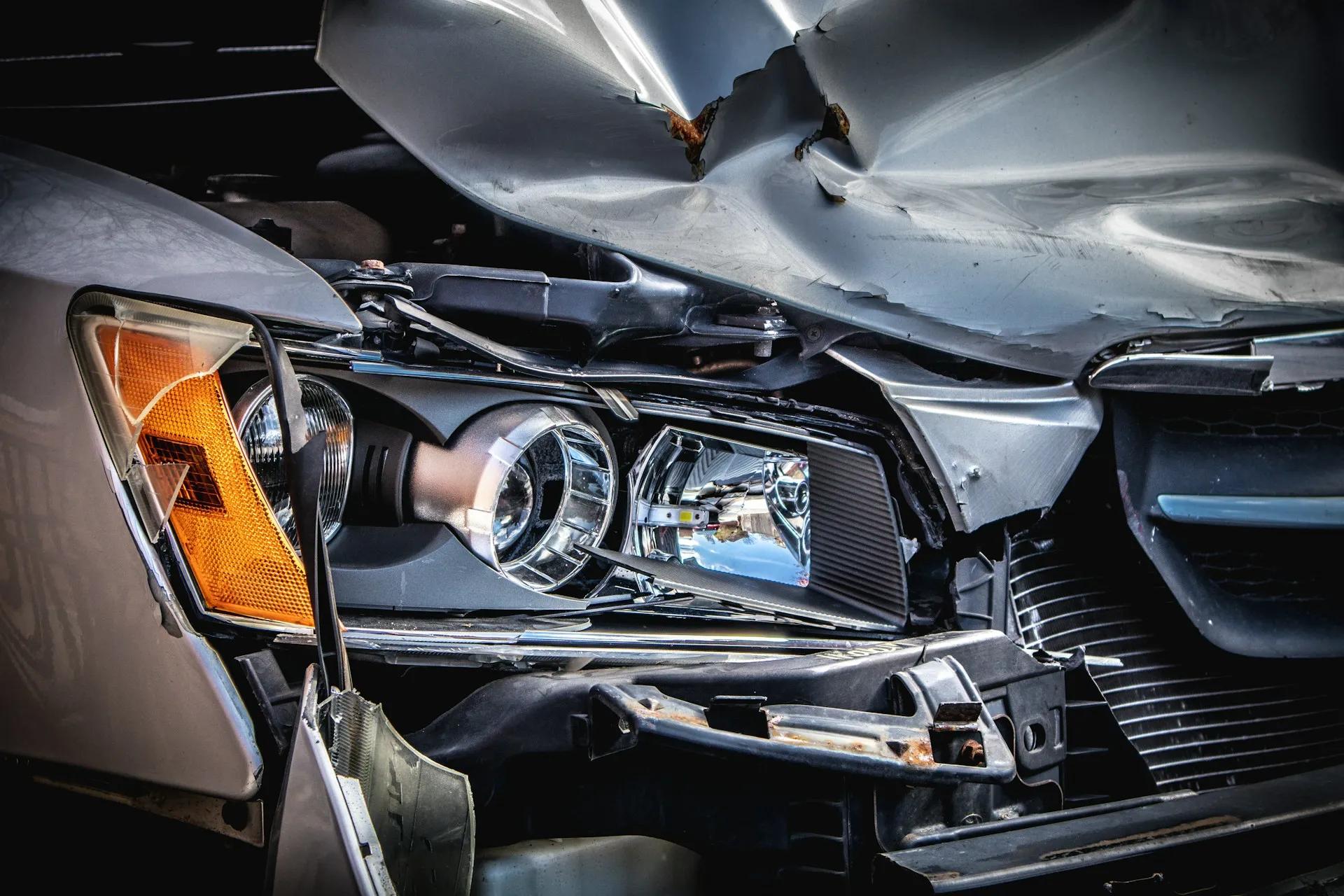
A car accident changes everything in an instant. One moment life is moving along normally, and the next, your family is dealing with injuries, medical bills, insurance calls, and emotional trauma. The road to recovery is rarely straight, but families do rebuild — and many come out stronger on the other side.
Here is a honest look at what that journey looks like and how to navigate it with clarity.
The First Few Days: Survival Mode
Right after a crash, shock takes over. Even if injuries seem minor, the body and mind are under enormous stress. The priority in those first hours and days is simple: get medical attention, lean on your support system, and try not to make any major decisions.
It sounds basic, but many families make the mistake of pushing through without addressing the emotional side of a crash. Children especially can internalize fear and anxiety after witnessing or being part of an accident. Talking openly, maintaining routines when possible, and watching for signs of trauma in kids goes a long way in those early days.
The Financial Pressure Is Real
Once the dust settles, the financial reality sets in. Medical bills start arriving. A vehicle needs repair or replacement. Someone might be missing work. Insurance companies start calling with questions — and sometimes with low settlement offers that don't come close to covering actual losses.
This is the stage where having the right guidance matters most. Many families don't realize how undervalued their claim can be until they speak with a car accident lawyer who understands what full compensation actually looks like. Lost wages, future medical care, pain and suffering — these are real damages that deserve to be accounted for, not dismissed with a quick payout designed to close the case fast.
A good lawyer doesn't just fight for money. They take the burden of dealing with insurance companies off your plate so your family can focus on healing.
Healing Takes Longer Than Expected
Physical recovery rarely follows the timeline you hope for. A back injury that seemed manageable in week one can still be causing pain in month six. This is normal, and it's one reason why accepting a settlement too early can be a costly mistake.
Give your body time. Follow through with physical therapy, specialist appointments, and any recommended treatments — not just for your health, but because consistent medical documentation matters if your case goes further.
Mental health recovery also takes time and deserves equal attention. Anxiety behind the wheel, nightmares, mood changes, and difficulty concentrating are all common after a serious accident. Therapy, support groups, and honest conversations with loved ones are not signs of weakness — they are part of the process.
Rebuilding as a Family Unit
A car accident doesn't just affect the person who was injured. It ripples through the entire household. A parent out of work creates financial strain. A child recovering from an injury shifts the family's daily rhythm. A partner managing everything alone can burn out fast.
The families that rebuild well are the ones who communicate openly. Talk about what you need. Ask for help from friends, neighbors, and community. Look into local resources — many areas have nonprofits and assistance programs specifically for accident survivors.
Division of responsibilities matters too. If one partner is managing medical appointments, the other can handle insurance paperwork or meal planning. Sharing the load, even when it feels impossible, keeps the unit from breaking under pressure.
Getting Back Behind the Wheel
For many accident survivors, one of the most unexpectedly difficult moments is returning to driving. The fear is completely valid. Some people experience it mildly. Others deal with full anxiety attacks at the thought of getting in a car.
Take it gradually. Start as a passenger on short, familiar routes. Work up to driving in low-stress conditions before tackling highways or busy intersections. If the anxiety is severe, working with a therapist who specializes in trauma can make a significant difference.
There is no right timeline. What matters is that you don't let fear permanently shrink your world.
Moving Forward With Intention
Families who recover well from car accidents tend to share a few things in common. They seek help early — medically, legally, and emotionally. They don't isolate. They give themselves permission to grieve what the accident disrupted while staying focused on what comes next.
They also protect themselves from being taken advantage of during a vulnerable time. Whether that means reading the fine print on an insurance offer or consulting a car accident lawyer before signing anything, being informed is one of the most powerful things you can do.
Recovery is not about returning to exactly who you were before the crash. It's about finding stable ground again — as individuals and as a family — and building from there.
The accident may have been out of your control. What happens next is not.
The aftermath of a crash is hard, but it is survivable. With the right support around you, the right professionals in your corner, and patience with yourself and each other, life does find its rhythm again. It just looks a little different — and sometimes, that difference turns out to be something you never expected: a deeper appreciation for the ordinary days.