

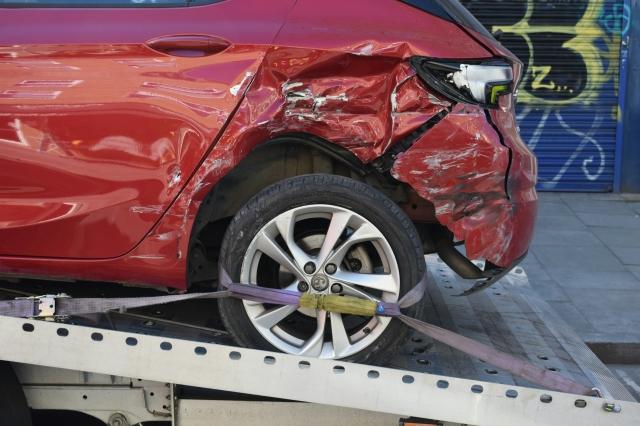
Car accidents happen in split seconds, but the words you speak immediately afterward can have lasting consequences. When adrenaline is pumping and emotions are running high, it's easy to say things you don't mean or make statements that could jeopardize your insurance claim or legal rights.
Understanding what not to say after a collision is just as important as knowing what steps to take. The wrong words can be twisted, misinterpreted, or used against you later, potentially costing you thousands of dollars or weakening your position in any subsequent legal proceedings.
"I'm Sorry" or "It Was My Fault"
“The first words that often escape our lips after an accident are apologies. It's human nature to feel bad when something goes wrong, even if you weren't responsible. However, apologizing at the scene can be interpreted as an admission of guilt, regardless of your actual role in the accident,” says Quinton S. Seay, a Savannah car accident lawyer.
Insurance adjusters and lawyers can use these statements against you later. Even if you believe you might have contributed to the accident, the full picture often isn't clear until a proper investigation is conducted. Multiple factors could have caused the collision that you're not aware of in the immediate aftermath.
Instead of apologizing, focus on checking if anyone is injured and calling emergency services. You can express concern for others' wellbeing without accepting blame. A simple "Are you okay?" shows compassion without implying responsibility for what happened.
"I'm Not Hurt" or "I'm Fine"
Adrenaline is a powerful hormone that floods your body during traumatic events. It can mask pain and injuries, making you feel perfectly fine even when you've sustained significant damage. Many car accident injuries don't manifest symptoms until hours or even days after the collision occurs.
Telling someone you're not hurt creates a record that insurance companies will reference later. If you develop whiplash, back pain, or internal injuries after leaving the scene, insurers may argue that these conditions weren't related to the accident since you claimed to be fine initially.
Always seek medical attention after an accident, even if you feel okay. Tell the responding officer and others at the scene that you want to be checked by a doctor. This protects your health and preserves your right to claim for injuries that may appear later.
"I Wasn't Paying Attention" or Similar Admissions
Never volunteer information about distractions, drowsiness, or any other factor that could suggest negligence on your part. Statements like "I didn't see you," "I was changing the radio station," or "I looked down for just a second" can all be used as evidence of distracted driving or carelessness.
The accident investigation should determine what happened based on physical evidence, witness statements, and expert analysis. Your spontaneous admissions at the scene bypass this objective process and hand ammunition to insurance companies looking to deny or minimize your claim.
Stick to basic factual information when speaking with police officers. Answer their questions honestly, but don't elaborate unnecessarily or speculate about what you were doing or thinking before the crash. Let the evidence speak for itself rather than potentially incriminating yourself with unnecessary details.
"I Don't Need to Call the Police"
Some people want to handle accidents privately, especially minor fender-benders, to avoid insurance rate increases or complications. The other driver might seem friendly and suggest you skip the official report. This is almost always a mistake that can come back to haunt you significantly.
Without a police report, you have no official documentation of what happened. The other driver could later claim more severe injuries or damages than actually occurred, or even deny the accident happened altogether. You'll have no objective third-party record to support your version of events.
Even in seemingly minor accidents, call the police and get an official report. This documentation becomes crucial evidence if disputes arise later. The responding officer will note road conditions, damage, and initial statements, creating an objective record that protects all parties involved.
"My Insurance Will Pay for Everything"
Discussing insurance coverage at the scene is problematic for several reasons. First, you don't yet know the full extent of damages or injuries, so you can't make promises about what your insurance will cover. Second, these statements could be interpreted as accepting liability for the accident.
Insurance matters should be handled through proper channels with your insurance company and their representatives. The other driver doesn't need to know your coverage limits, deductible amounts, or policy details at the accident scene. This information will be exchanged through official insurance claim processes.
Simply exchange basic insurance information as required by law, including company names and policy numbers. Avoid discussing coverage amounts, blame, or how claims will be handled. Let your insurance company's professionals handle these negotiations on your behalf to protect your interests.
"I'm Going to Sue You"
Threatening legal action at the accident scene accomplishes nothing positive and can make an already tense situation worse. These emotional outbursts can escalate conflicts, make witnesses less cooperative, and create an adversarial atmosphere that complicates the resolution process unnecessarily.
Whether legal action is appropriate depends on many factors that won't be clear for days or weeks after the accident. Injuries, damages, and liability all need to be properly assessed before determining if litigation is necessary. Premature threats can also complicate settlement negotiations later on.
Keep your emotions in check and focus on gathering information and ensuring everyone's safety. If legal action becomes necessary, your attorney can handle it professionally through proper channels. Making threats at the scene doesn't strengthen your position and may actually weaken your credibility as a reasonable person.
"Let's Just Exchange Information and Move On"
While exchanging information is necessary, rushing through the process or skipping important steps can leave you vulnerable. Some drivers want to settle everything quickly and informally, which often means important details get missed or evidence isn't properly documented for future reference.
Take your time to thoroughly document the scene with photos, get witness contact information, and ensure the police report is complete and accurate. The few extra minutes spent at the scene gathering comprehensive evidence can save you months of headaches and thousands of dollars in disputed claims.
Conclusion
Remember that the accident scene is where your case begins. The information and statements collected there form the foundation of any insurance claim or legal proceeding that follows. Protecting yourself starts with being careful, thorough, and measured in both your words and actions immediately after the collision.